Wondering whether north or south San Ramon is the better fit for your next move? You are not alone. Many buyers narrow their search to San Ramon, then realize the city offers two very different day-to-day experiences depending on where you land. This guide breaks down housing, amenities, and commute patterns so you can compare each side with more confidence. Let’s dive in.
How to Think About North vs South San Ramon
San Ramon does not publish an official north-versus-south housing map. In everyday buyer conversations, though, the split usually comes down to older, more established west and central San Ramon around Twin Creeks and Bishop Ranch versus newer Dougherty Valley areas like Gale Ranch and Windemere.
That distinction comes from how the city’s planning documents describe these areas. Twin Creeks is a long-established subarea, while Dougherty Valley, Gale Ranch, and Windemere are treated as later-growth parts of the city. So while the labels are informal, they are useful when you are comparing homes and lifestyle.
North San Ramon Housing
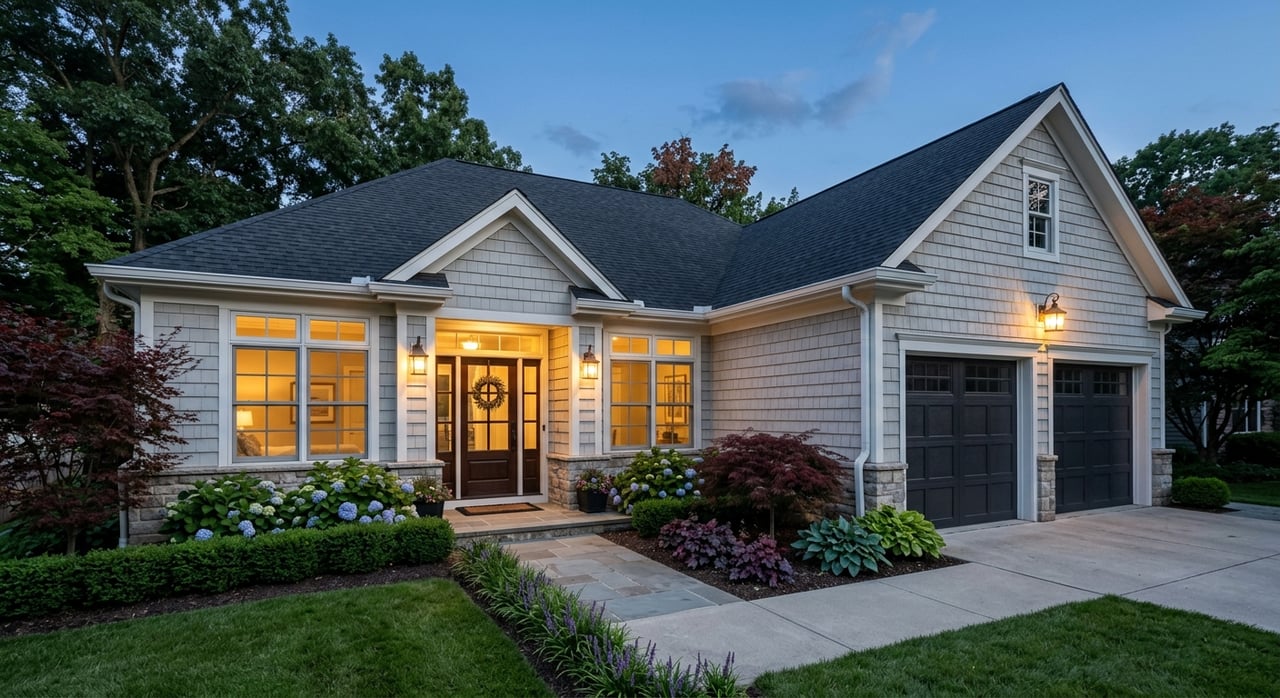
North and central San Ramon tend to feel more established. According to the city’s General Plan, Twin Creeks development began in 1969 and is largely built out, with about 3,200 dwelling units.
The same plan says about 77% of Twin Creeks homes are detached single-family properties on 5,000- to 10,000-square-foot lots. The remaining 23% includes townhomes, condos, and apartments. For you as a buyer, that often translates to a stronger single-family feel with mature streets and a more settled layout.
What the Neighborhood Pattern Feels Like
On the ground, north San Ramon often feels flatter and more established. Street patterns are generally more mature, and the housing stock leans toward classic tract neighborhoods rather than newer master-planned clusters.
If you want a part of San Ramon that feels built-in and familiar, this side may stand out. It can appeal to buyers who like established residential areas and a location closer to the Bishop Ranch side of town.
South San Ramon Housing
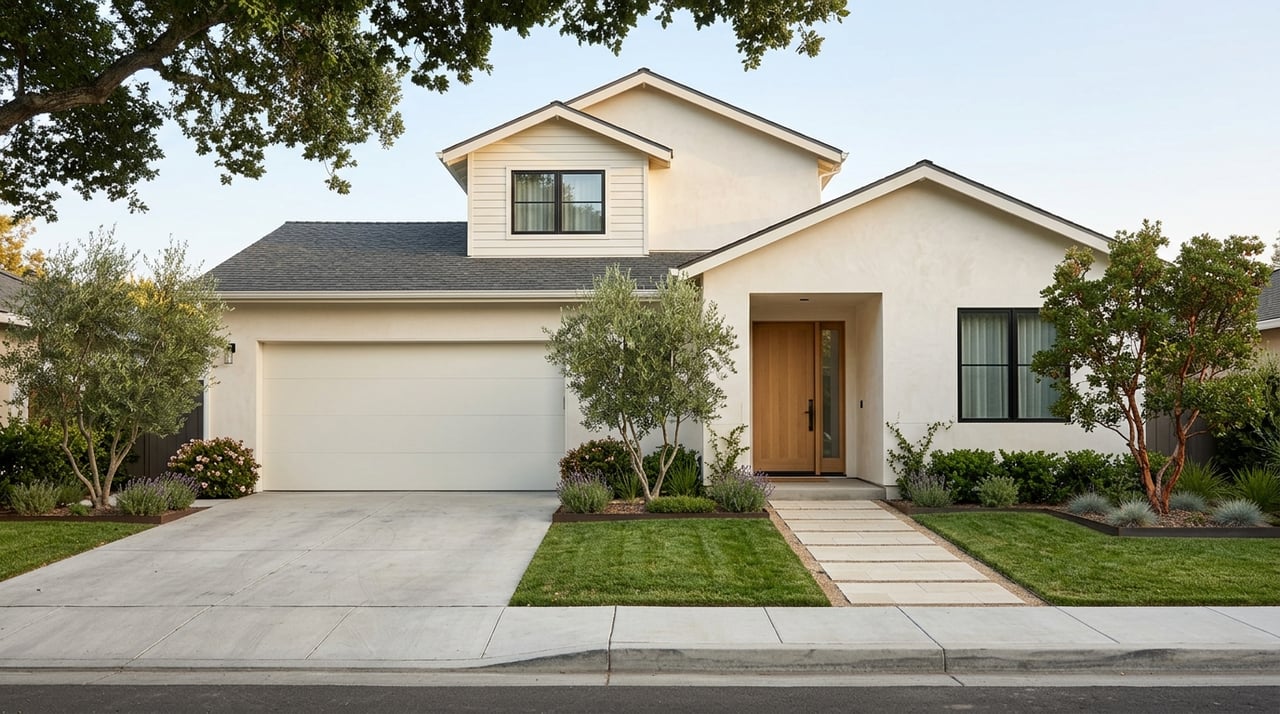
South and east San Ramon, especially Dougherty Valley, Gale Ranch, and Windemere, feel newer and more master planned. The Dougherty Valley Specific Plan describes the area as a cluster of residential neighborhoods supported by retail and community services.
Housing here ranges from standard-lot single-family homes to higher-density options. The plan caps Dougherty Valley at 11,000 homes, and the city’s General Plan identifies Gale Ranch and Windemere Ranch as major subareas within this broader growth area.
What the Neighborhood Pattern Feels Like
In day-to-day terms, south San Ramon often feels newer in design. You are more likely to see subdivision layouts, planned neighborhood groupings, and a broader mix of attached and detached housing.
For buyers who want a newer-built feel or prefer master-planned surroundings, this side of San Ramon often deserves a closer look. It can also offer a different relationship to open space, trails, and regional commute routes.
Parks and Trails Comparison
One of the clearest lifestyle differences between north and south San Ramon shows up in how you use outdoor space. Both sides offer parks and recreation, but the feel is not exactly the same.
North San Ramon Outdoor Access
North and central San Ramon have the city’s most obvious flat, paved trail spine. The Iron Horse Trail runs 4.24 miles through San Ramon and connects residential and commercial areas with schools, public transportation, regional trails, and community facilities.
The city notes that the trail is paved and wheelchair accessible. If you want a straightforward path for walking, biking, or connecting through town, this is a major advantage.
For larger open space, Bishop Ranch Open Space Regional Preserve adds another layer. East Bay Regional Park District says the preserve is 806 acres and sits a short distance from San Ramon Valley subdivisions.
South San Ramon Outdoor Access
South and east San Ramon lean more toward hills and view-oriented trails. Windemere Ridge Trail follows rolling hills with valley views, while Tassajara Ridge Trail offers overlooks toward San Ramon, Dublin, Danville, and Mt. Diablo.
Other local options include Alamo Creek Trail, which starts behind Dougherty Station Community Center and Diablo Valley College, and West Alamo Creek Trail along the western edge of Dougherty Valley. The city also notes that Windemere Ranch Preserve includes stock ponds, grassland, riparian woodland, and seasonal wetlands.
City Parks Across San Ramon
San Ramon offers parks across the city, not just on one side. The city highlights places such as Central Park, Athan Downs, Rancho San Ramon Community Park, San Ramon Sports Park, Memorial Park, and Sunrise Ridge Park.
That means your choice is less about whether you will have parks nearby and more about what kind of outdoor setting fits your routine best. North tends to favor flatter, paved connections, while south often offers more rolling terrain and open-space character.
Shopping and Everyday Amenities
Amenities are another area where the two sides can feel different in daily life.
North San Ramon Amenities
North and central San Ramon stand out for destination-style shopping and dining at City Center Bishop Ranch. The city says City Center includes 300,000 square feet of retail, dining, and entertainment.
Bishop Ranch says the broader campus includes 1 million square feet of retail and entertainment, along with residences and direct transit connections. If you want a more centralized, mixed-use destination for errands, dining, and entertainment, this side of town has a clear draw.
South San Ramon Amenities
South and east San Ramon feel more neighborhood-embedded in their civic and recreation amenities. Instead of one major retail core, this side features a pattern of local-serving spaces integrated into the community.
The city places the Dougherty Station Community Arts Center in Dougherty Valley, along with the Dougherty Valley Performing Arts Center and the Dougherty Valley Aquatic Center. The Dougherty Bark and Ride lot also adds commuter parking, bike lockers, and a dog park between Dougherty Safeway Center and Gale Ranch Middle School.
For many buyers, the difference comes down to preference. Do you want a larger central destination, or do you prefer community services and recreation woven more directly into residential neighborhoods?
Commute Patterns to Know
Commute feel can vary a lot depending on where you work and which transit connection matters most to you. In San Ramon, the north-versus-south choice often lines up with different regional directions.
North San Ramon Commutes
North and central San Ramon have the strongest connection to the Bishop Ranch and Walnut Creek side of the transit network. The San Ramon Transit Center sits on Executive Parkway near Camino Ramon, along the Iron Horse Trail.
The city says the Transit Center offers 54 first-come, first-served parking spaces for carpools, vanpools, and buses. County Connection Route 96X links Walnut Creek BART, Bishop Ranch, and the San Ramon Transit Center on peak weekdays.
County Connection Route 21 also runs between Walnut Creek BART and the Transit Center. It operates every 30 minutes in peak periods and every 60 minutes off-peak.
South San Ramon Commutes
South and east San Ramon more often point toward Dublin and Pleasanton commute patterns. County Connection Route 35 runs between the San Ramon Transit Center and Dublin/Pleasanton BART, with stops serving Bollinger Canyon, Main Branch, Windemere, and Old Dougherty.
On weekdays, Route 35 runs every 30 minutes during peak periods and every 60 minutes off-peak. For many south San Ramon buyers, that makes the Dublin/Pleasanton BART connection an important part of the location decision.
Another Regional Option
The city also points commuters to ACE through County Connection Route 92X from the San Ramon Transit Center. If you want another regional transit option beyond BART, that is worth keeping in mind as you compare neighborhoods.
Which Side of San Ramon Fits You Best?
There is no universal winner between north and south San Ramon. The better choice depends on how you want your home, neighborhood layout, amenities, and commute to feel in daily life.
North and central San Ramon may fit you best if you want:
- More established housing
- A stronger single-family neighborhood profile
- Flatter streets and paved trail access
- Easy access to Bishop Ranch and City Center
- Transit patterns oriented toward Walnut Creek
South and east San Ramon may fit you best if you want:
- Newer master-planned neighborhoods
- A broader mix of attached and detached housing
- More hills, views, and trail-oriented open space
- Civic and recreation amenities embedded into neighborhoods
- Commute patterns that connect more naturally toward Dublin/Pleasanton BART
The key is to match the area to your real routine, not just a map search. When you look at homes through the lens of lifestyle, the right fit usually becomes much clearer.
If you are comparing neighborhoods in San Ramon or planning a move within the East Bay, working with a local team can help you narrow your search faster and avoid buying into the wrong daily rhythm. For tailored guidance on San Ramon homes, commute patterns, and neighborhood fit, connect with Frank Bermudez.
FAQs
What is the main difference between north and south San Ramon?
- North and central San Ramon usually mean older, more established areas around Twin Creeks and Bishop Ranch, while south and east San Ramon usually refer to newer Dougherty Valley areas like Gale Ranch and Windemere.
What types of homes are more common in north San Ramon?
- In Twin Creeks, the city says about 77% of homes are detached single-family properties, with the rest made up of townhomes, condos, and apartments.
What types of homes are more common in south San Ramon?
- Dougherty Valley includes a broader mix of housing, ranging from standard-lot single-family homes to higher-density residential options.
Which side of San Ramon has better trail access?
- It depends on the type of trail you prefer. North San Ramon is known for the flat, paved Iron Horse Trail, while south San Ramon offers more rolling, hill-oriented trails like Windemere Ridge Trail and Tassajara Ridge Trail.
Which side of San Ramon is closer to major shopping and dining?
- North and central San Ramon stand out for City Center Bishop Ranch, which the city describes as a major retail, dining, and entertainment destination.
Which side of San Ramon works better for BART commuters?
- North and central San Ramon often align more with Walnut Creek BART connections, while south and east San Ramon often align more with Dublin/Pleasanton BART routes and stops.