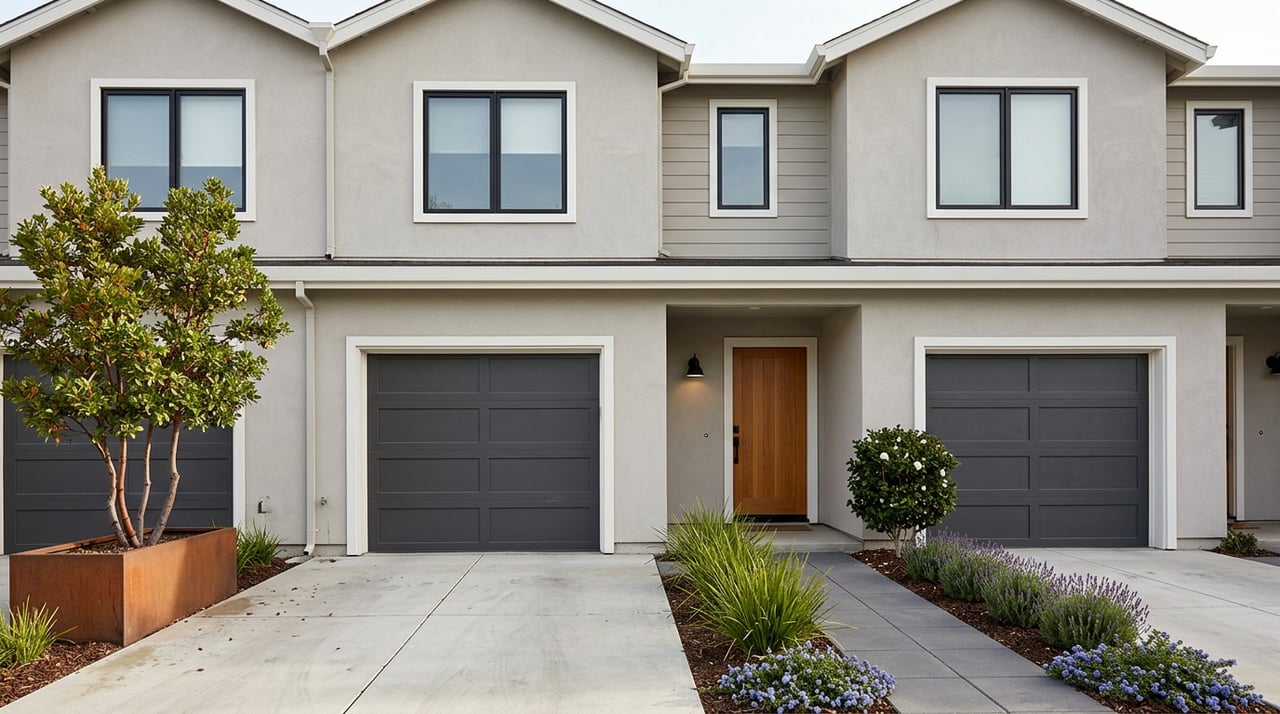
Thinking about a condo or townhome in San Ramon but unsure where to start? You are not alone. Many buyers want lower maintenance living, access to top local amenities, and a reasonable commute to Oakland, Hayward, or Berkeley, but they also want clarity on HOA rules, monthly costs, and special taxes. This guide gives you the practical details you need to shop with confidence and make a smart offer. Let’s dive in.
Snapshot: Prices, product types, and where to look
San Ramon offers a wide range of attached homes at different price points. As a market reference, the overall median sale price across all home types was about $1.30M (Redfin, Jan 2026). By type, recent snapshots show single-family homes around $1.74M, townhouses near $1.01M, and condos near $650K (Redfin city guide snapshots; dates vary). These are broad snapshots that differ by source and timeframe, so use current MLS comps for a specific property.
Bishop Ranch and City Center
You will find a large share of condos and townhomes around Bishop Ranch, City Center, and adjacent neighborhoods like Twin Creeks, Crow Canyon, and Canyon Lakes. Newer townhome product near Bishop Ranch’s City Village often lists in the low-to-mid $1M range for larger floor plans. The area is close to major employers, retail, and dining, which helps resale and day-to-day convenience.
Dougherty Valley and Windemere
Dougherty Valley/Windemere is a master-planned area with many newer townhomes and low-rise condos. Many parcels here include Community Facilities District financing, also known as Mello-Roos (more on that below). You get newer construction and planned parks and trails, and you should budget for special taxes that appear on the property tax bill.
Crow Canyon, Canyon Lakes, and Cobblestone clusters
You will also find established condo communities scattered through the San Ramon Valley corridors. These 1980s–1990s-era complexes often feature pools, landscaped grounds, and covered parking. Monthly HOA dues commonly run in the mid-hundreds, with many examples around $400 to $600, and some pared-down associations near $200 to $300 depending on amenities and insurance coverage.
What drives price differences
Condos in San Ramon usually sell at a discount compared to single-family homes, while townhomes often sit in between. Larger, newer townhomes in master-planned settings can approach single-family pricing, especially with bigger floor plans and attached garages. The mix of size, age, location, amenities, and HOA cost structure explains most of the gap between condos, townhomes, and detached homes.
HOA essentials every California buyer should know
When you buy in a common-interest community, the seller must provide a disclosure packet under the Davis–Stirling Act. California Civil Code Section 4525 lists required items such as CC&Rs, bylaws, rules, the current annual budget materials, reserve summaries, notices of violations, unpaid assessments, and open-session board minutes (on request). Order and review this packet quickly in escrow so you have time to ask questions.
The annual budget report and reserve information matter for long-term costs. Civil Code Section 5300 requires an annual budget packet with reserve and insurance summaries. Boards must complete a visual reserve study at least every three years and review the analysis annually under Section 5550. If reserves are low for the age of the community, you may face higher dues or special assessments.
If you plan to rent your unit at any point, pay attention to rental rules. Under Civil Code Section 4741, associations cannot enforce rental restrictions that effectively ban renting, and they generally cannot cap the share of rentable units below 25% of the community’s separate interests. Always confirm the current language in the governing documents.
Amenities and dues: what shapes your monthly cost
Most San Ramon condo and townhome communities include amenities like pools and spas, landscaping, gated entries, small gyms, and shared parking. Many resale-era condos with mid-range amenities carry dues in the $400 to $600 per month range, while some leaner associations run around $200 to $300. Newer master-planned townhome neighborhoods may have higher carrying costs due to broader common area obligations.
Ask how the master insurance policy works and what your individual HO-6 policy should cover. The annual budget packet includes an insurance summary under Section 5300. Request the master policy declarations pages and confirm whether coverage is walls-in, walls-out, or bare walls and whether earthquake coverage is included. Then have your insurer tailor your HO-6 to fill any gaps and align deductibles.
Mello-Roos in Dougherty Valley: how to verify it
In Dougherty Valley and some newer San Ramon tracts, you may see Community Facilities District special taxes on the property tax bill. These are not HOA dues. Amounts and the number of CFDs vary by parcel and phase. The City of San Ramon publishes CFD documentation, which is helpful context, but the only authoritative source for a specific home is its county tax bill. You can review the city’s finance and CFD information on the City of San Ramon’s finance page. Lenders include these amounts when calculating your housing ratios, so confirm them early.
Commute to Oakland, Hayward, and Berkeley
San Ramon does not have a BART station within city limits. The nearest BART options are Dublin/Pleasanton and Walnut Creek, and County Connection operates bus routes and express shuttles from the San Ramon Transit Center and Bishop Ranch to these stations. If you plan to combine driving and BART, review schedules and parking for the Dublin/Pleasanton BART station and test your peak-hour route.
Schools and attendance basics
San Ramon is served by the San Ramon Valley Unified School District, including Dougherty Valley. Buyers who value schools often cite Dougherty Valley High School as a local draw. Attendance boundaries are address-based and can change, sometimes block by block, so verify assignments directly with SRVUSD and review current performance data before you write an offer.
Your due diligence checklist
Work through this list before you remove contingencies. It helps you budget accurately and avoid surprises.
- Order the HOA resale packet right after opening escrow. Civil Code 4525 explains the required contents.
- Review governing documents for use, pet, parking, and architectural rules. Confirm any transfer or move-in fees.
- Read the annual budget and reserve study. Under Sections 5300 and 5550, look for percent-funded, upcoming capital projects, and replacement timelines.
- Confirm the resale certificate or estoppel amounts. Make sure assessments, delinquencies, and fees due at closing are accurate.
- Scan the last 12 months of open-session board minutes. Repeated maintenance complaints, board turnover, or votes on special assessments deserve a closer look.
- Get the master insurance declarations pages. Align your HO-6 policy to the HOA’s coverage and deductibles.
- Check for pending litigation or construction-defect claims. Active cases can affect resale and dues.
- Verify special taxes on the property tax bill if the home is in Dougherty Valley or any newer tract. Use the APN to pull the county bill and cross-check with the City’s CFD resources.
Red flags to watch
- Very low reserves for the age of the community or deferred replacement of roofs, siding, or paving.
- Board minutes hinting at major projects without a funding plan or talk of special assessments.
- Ongoing HOA litigation or insurance uncertainty.
- Unclear rental rules or unusually high owner-to-renter turnover.
- Surprise estoppel fees or undisclosed balances in the resale packet.
Budgeting tips for condos and townhomes
Create a full monthly picture before you offer. Compare two or three target communities side by side.
- Principal and interest on your loan.
- Property taxes plus any Mello-Roos or other special taxes.
- HOA dues and what they cover.
- Individual HO-6 policy and any earthquake coverage you add.
- Utilities not covered by the HOA.
- A cushion for special assessments or rising dues.
If the HOA covers exterior insurance and many utilities, higher dues can still pencil out compared to a lower-dues community with big upcoming capital needs. Run real numbers with your lender and agent.
How we help you buy with confidence
You deserve clear answers, local context, and steady guidance from search to close. Our team helps you target the right San Ramon neighborhoods, pull fresh MLS comps, and review HOA packets for reserves, insurance, rules, and any red flags. We also coach you on offer strategy and timelines so you can move quickly when the right unit hits the market.
When you are ready, connect with Frank Bermudez to start a focused search or to get candid advice on a specific community.
FAQs
What are typical HOA fees for San Ramon condos and townhomes?
- Many established communities fall around $400 to $600 per month, with some leaner setups near $200 to $300 depending on amenities and insurance coverage.
Which HOA documents should I receive before closing in California?
- Under Civil Code Section 4525, you should receive CC&Rs, bylaws, rules, budget and reserve summaries, insurance info, minutes on request, and any notices or assessment details.
How do rental caps work if I plan to rent my unit later?
- Civil Code Section 4741 limits how far HOAs can restrict renting and generally bars caps below 25% of units, with exceptions for short-term rentals.
How do I confirm Mello-Roos for a Dougherty Valley townhome?
- Check the property’s county tax bill using the APN and review the City of San Ramon’s CFD information for context about district financing.
What are my commute options to Oakland, Hayward, or Berkeley?
- Most buyers combine local driving with BART from Dublin/Pleasanton or Walnut Creek; review the Dublin/Pleasanton BART station for schedules and test your peak-hour route.
What should I look for in a condo or townhome reserve study?
- Focus on percent-funded, timelines for replacing major components, and whether the plan supports near-term projects without large special assessments.