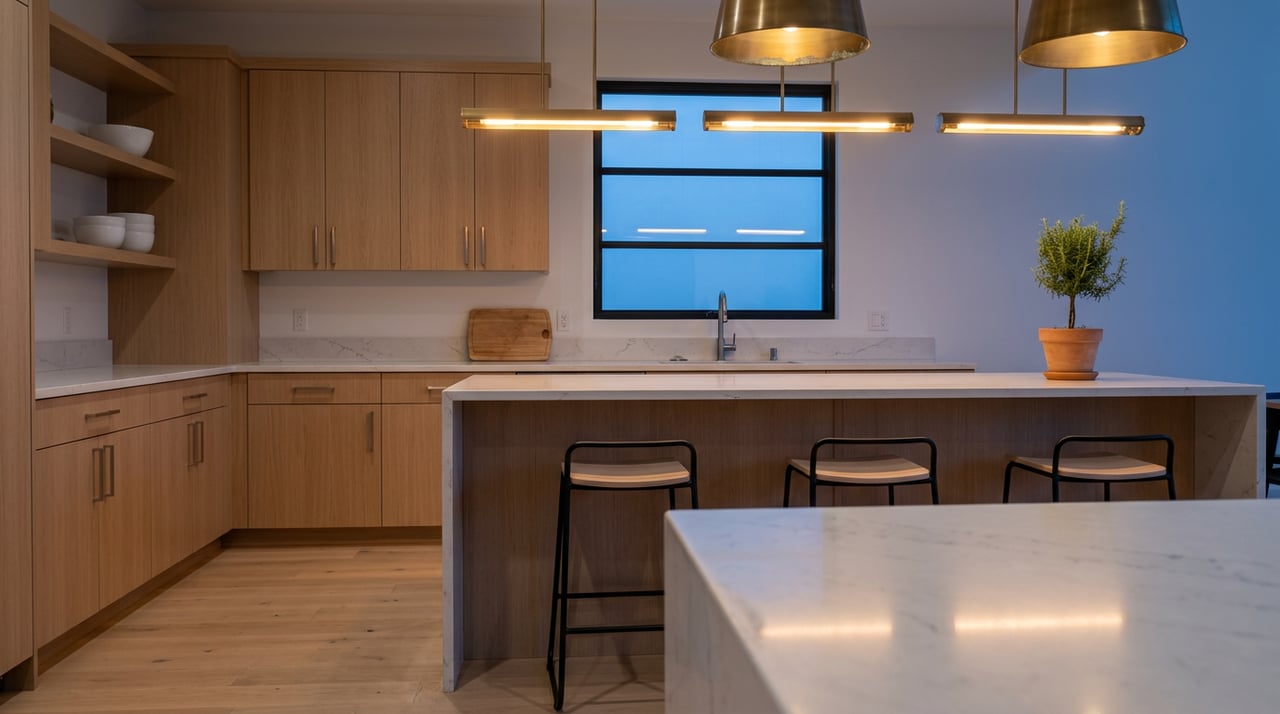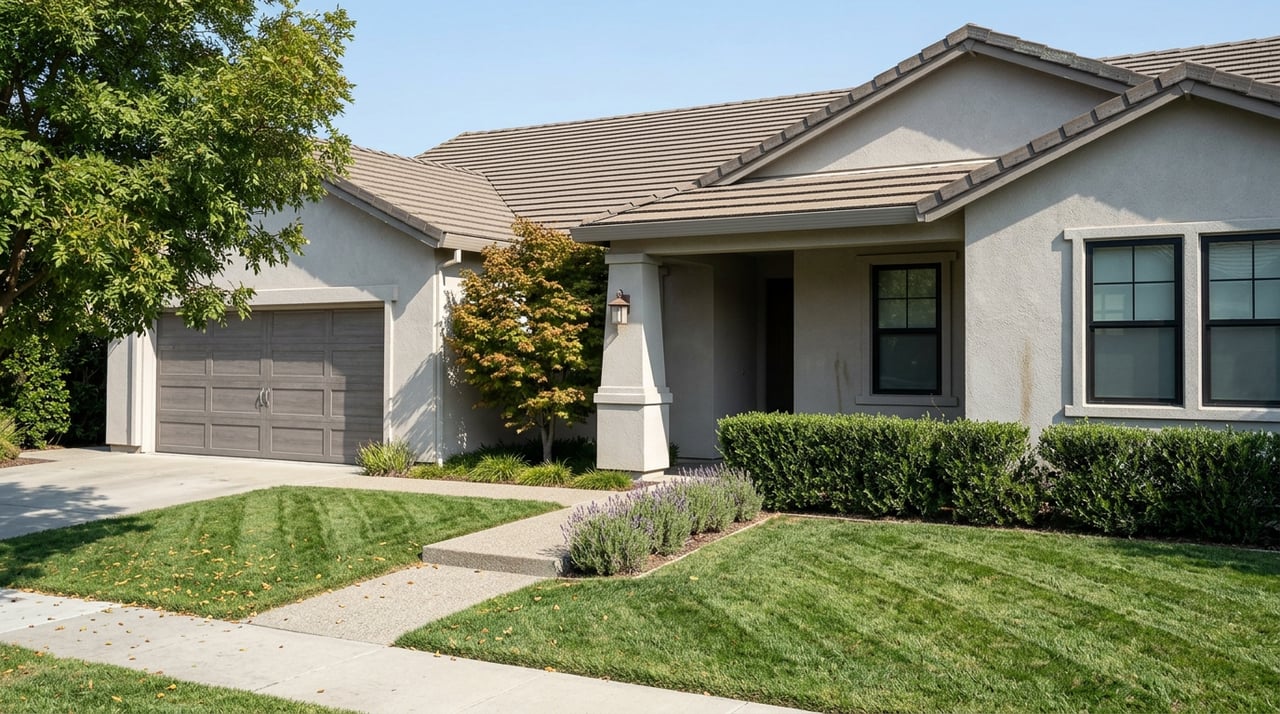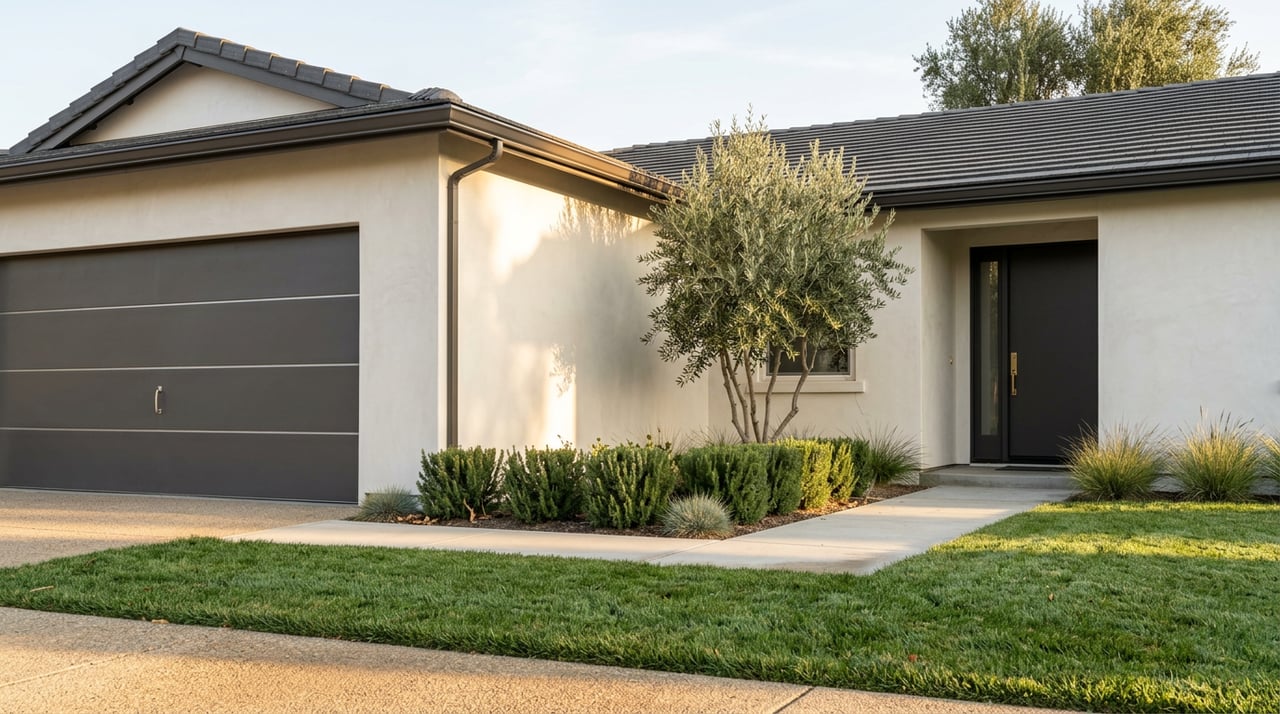
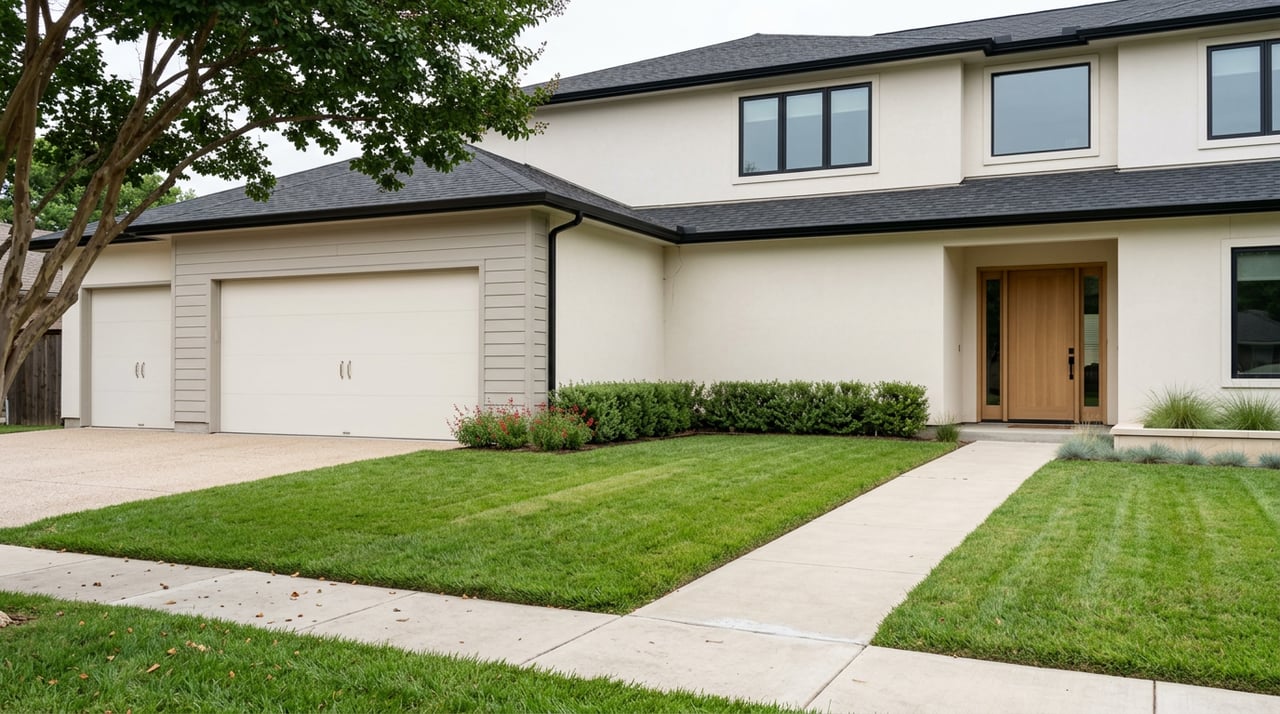
A four-bedroom floor plan at Casacala lists for a number that looks competitive against resale homes a mile away. A three-car-garage plan at Apricot Estates or Orchard Grove reads the same way: square footage, price, done. What that number doesn't show is a second charge that shows up later, on the preliminary title report, after most buyers have already stopped shopping around and started planning furniture.
That charge has a name. It's called Mello-Roos, and in Brentwood it isn't rare. It's built into how the city has funded growth since 2002.
Three Communities, One Pattern
Brentwood currently has three active new-construction communities inside city limits, and each one is worth knowing by name if you're cross-shopping new against resale.
| Community | Builder | Home Size | Notes |
|---|---|---|---|
| Casacala | Meritage Homes | 2,168 to 2,765 sq ft | 82 detached homes along Marsh Creek, four two-story floor plans, all four bed/three bath |
| Orchard Grove | Shea Homes | 3,029 to 4,118 sq ft | 4-5 bed, 3.5-4.5 bath, 2-3 car garages, named Detached Community of the Year at the 2026 MAME Awards |
| Apricot Estates | Trumark Homes | 3,019 to 4,397 sq ft | 57 detached homes near Sand Creek Trail, 4-5 bed, 3-4 car garages, Next Gen suite options |
These three are the actual new-construction inventory sitting inside Brentwood proper. That distinction matters more than it sounds, and we'll come back to it.
Each of these communities was formed as a Community Facilities District before the first home was framed. That's not incidental. It's how new construction in California gets built at all.
The Tax Line That Isn't in the Square-Foot Price
The City of Brentwood has operated four Community Facilities Districts under the Mello-Roos Community Facilities Act since 2002. Those districts exist to fund the roads, parks, and infrastructure that a brand-new subdivision needs and that standard property tax revenue, capped by Proposition 13, can't stretch to cover.
Here's the part that catches buyers off guard: the developer is almost always the only registered voter when a CFD is formed. The vote happens before the land is subdivided, before a single buyer has signed anything. The tax obligation is then passed down, parcel by parcel, to whoever eventually buys the home.
That tax doesn't move with the market. It's not calculated as a percentage of your purchase price the way your base property tax is. It's a flat or formula-based charge tied to the bond that funded the district, and depending on the CFD, it can climb by a set percentage each year regardless of what your home is worth.
Across Bay Area new-construction tracts, these charges typically run $1,500 to $4,000 a year, though some districts run considerably higher. The practical effect is that a home's effective tax rate, base property tax plus every local add-on, can land at 1.5% to 1.7% of purchase price in a CFD-heavy new community, compared with the 1.1% to 1.3% typical in an established Brentwood neighborhood with no CFD attached.
On a home priced anywhere in Brentwood's typical new-construction range, that difference compounds into real money every year, and it's money that doesn't show up anywhere on the builder's price sheet or the listing's price-per-square-foot.
Where the Confusion Actually Comes From
If you've been searching for new construction in Brentwood and stumbled on ads for homes in the $600,000s, there's a good chance you weren't looking at Brentwood at all. Communities like The Preserve at Stonewood and Rosewood Estates, both active new-home developments, sit in neighboring Oakley, not inside Brentwood's city limits. They get grouped into the same regional search results because builders market to the whole Highway 4 corridor, not because the city boundary matches the marketing.
That's not a knock on Oakley. It's a reason to know exactly which city you're buying in before you get attached to a price. Casacala, Orchard Grove, and Apricot Estates are the communities actually inside Brentwood, and none of them starts in the $600,000s.
What This Means If You're Comparing New to Resale
The comparison most buyers run is price against price, new against resale, and it stops there. The comparison that actually tells you something is total carrying cost against total carrying cost.
A resale home in an established Brentwood neighborhood, built before the CFDs existed, usually carries only the standard 1% base property tax plus modest local assessments. A new home in Casacala, Orchard Grove, or Apricot Estates carries that same base rate plus whatever CFD obligation attaches to that specific parcel, and that obligation can run for decades, sometimes for the full 40-year life the Mello-Roos Act allows.
The new home might still win on the numbers. Newer construction typically means lower near-term maintenance, better energy efficiency, and a warranty period that a 20-year-old resale doesn't offer. But the buyer who runs a straight price-per-square-foot comparison and skips the tax line is comparing two different products as if they were the same one.
The Mello-Roos charge also doesn't disappear when you sell. It transfers to the next buyer, and it's one of the first things a sharp buyer's agent will flag when comparing your listing to a CFD-free resale down the street. Knowing that number before you buy means you're not surprised by it when it's time to sell.
Before You Waive Contingencies
The point in the process where this bites hardest is the same point where buyers have the least leverage: after the offer is accepted, after the excitement of a new floor plan and designer finishes, right around when contingencies come off. That's when the preliminary title report lands, and that's the first place many buyers actually see the CFD listed by name.
A few things worth doing before that point:
- Ask the builder's sales office directly whether the home is inside an active CFD, and ask for the current annual amount and the year it expires.
- Request a copy of the CFD disclosure documents, which by law should outline the tax rate, any built-in escalators, and future obligations.
- Have your own agent review the preliminary title report as early in escrow as your contract allows, not after contingencies are gone.
- Ask whether bringing your own agent affects builder incentives. In most cases it doesn't, and having someone whose obligation runs to you rather than the builder matters through option selections, inspections, and closing.
None of this requires walking away from new construction in Brentwood. It requires reading the second number, not just the first one.
FAQ
Does every new home in Brentwood have a Mello-Roos charge? Most do, since Brentwood's active new-construction communities were formed under one of the city's four Community Facilities Districts established since 2002. Older, established Brentwood neighborhoods typically don't carry a CFD charge because they predate the districts.
How long does a Mello-Roos tax last? It runs until the underlying bond is paid off or for a maximum of 40 years, whichever comes first. Some districts continue a smaller charge afterward to cover ongoing maintenance.
Is Mello-Roos tax-deductible? Only in limited cases, and typically just the portion funding ongoing maintenance or interest rather than new construction. Anyone counting on that deduction should confirm the specific CFD's structure with a tax professional before assuming it applies.
The right new-construction community in Brentwood is still a strong move for plenty of buyers. It just deserves the same full-cost math you'd run on any resale home, tax line included. If you're weighing Casacala against a resale in an older Brentwood neighborhood, or trying to figure out whether that "Brentwood" listing is actually in Oakley, The Bermudez Team can walk through the actual numbers with you before you write an offer, not after.