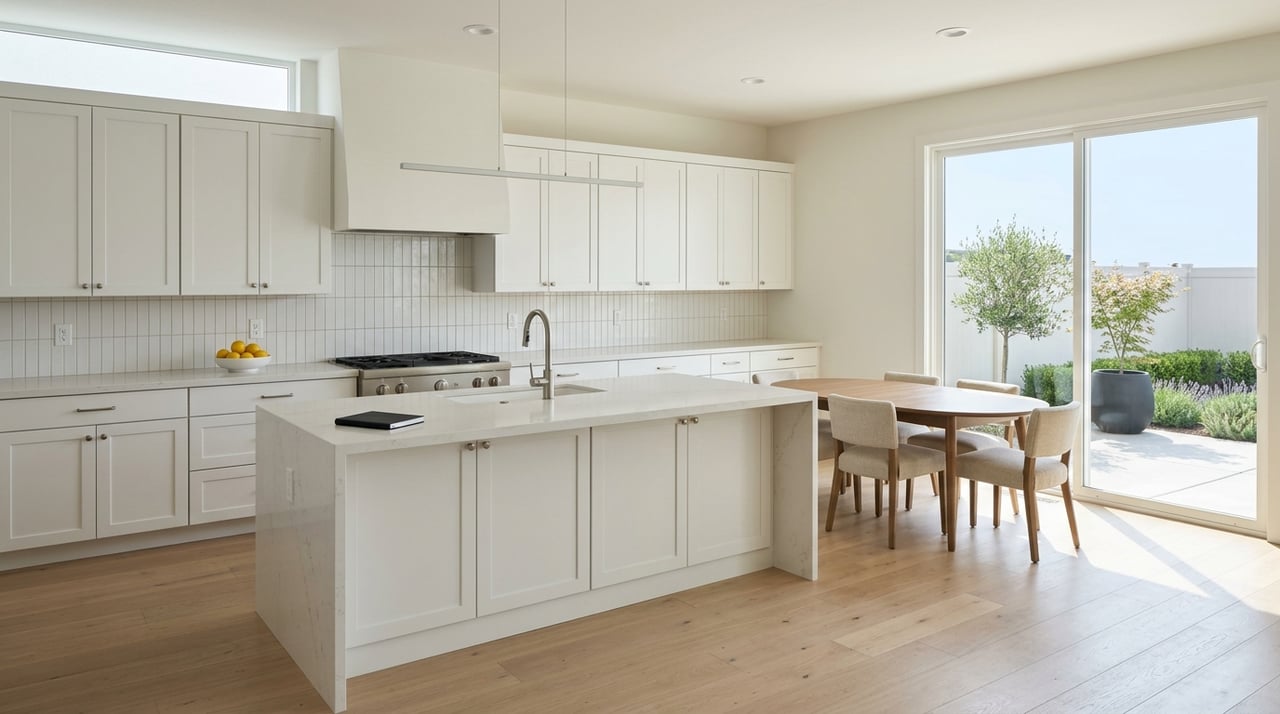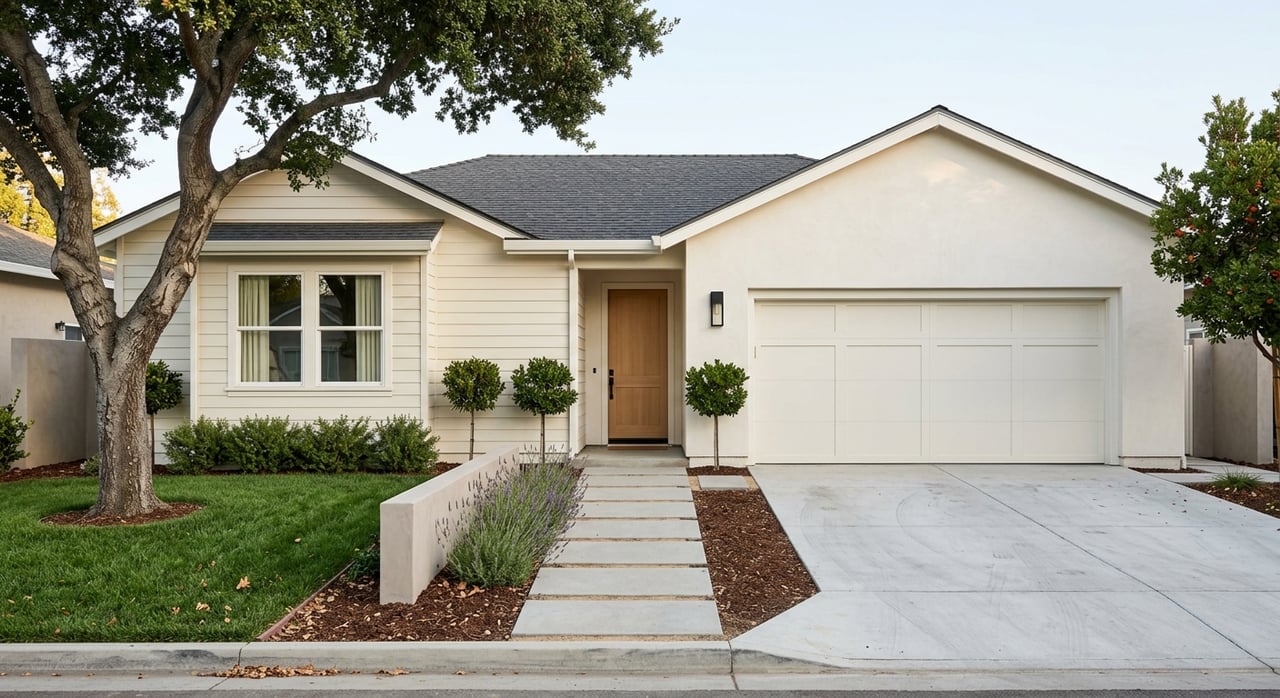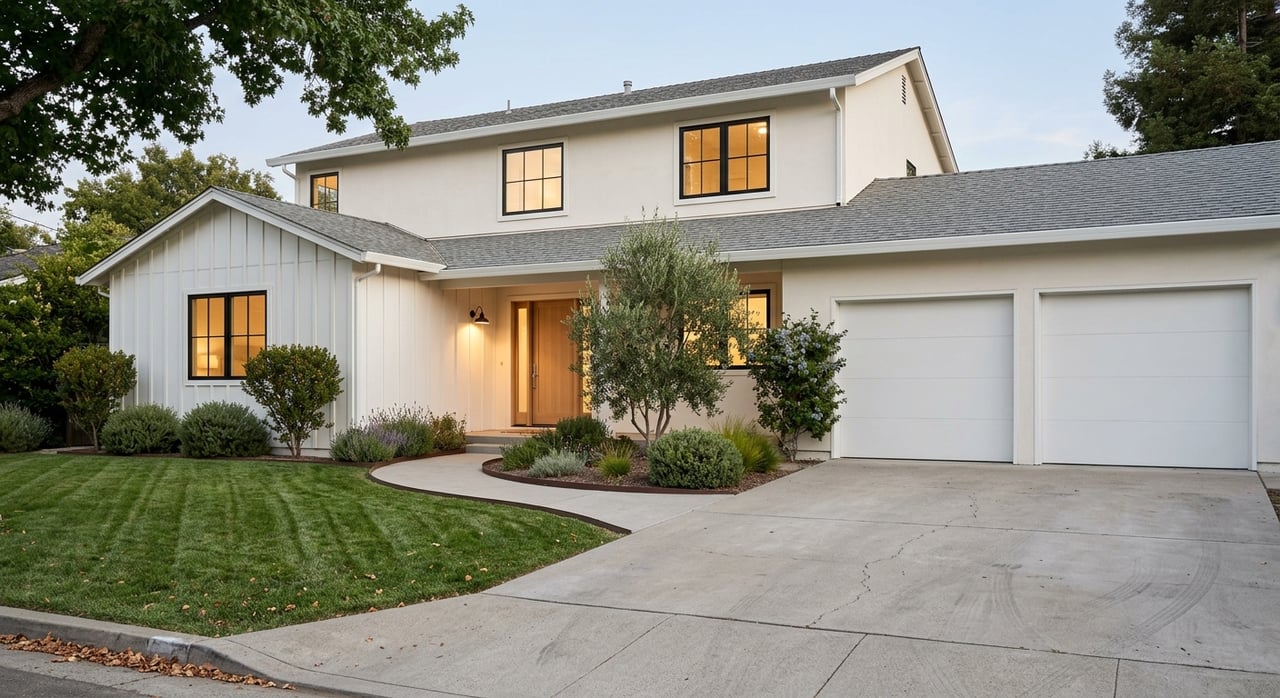
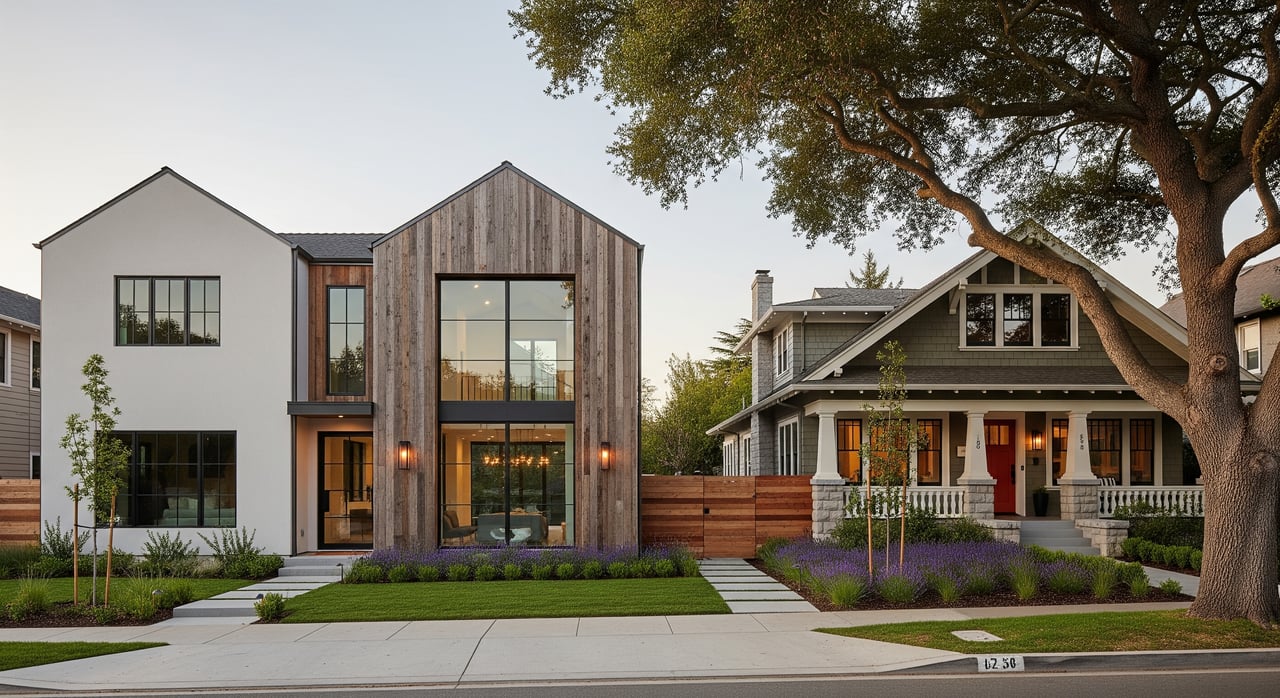
Trying to decide between a new-build home or a resale in Oakley? You are not alone. Each path offers benefits and trade-offs, and the right choice depends on your budget, timeline, commute, and long-term plans. In this guide, you will compare costs, taxes, HOAs, inspections, warranties, and lifestyle factors specific to Oakley so you can move forward with confidence. Let’s dive in.
Oakley market snapshot
Oakley sits in eastern Contra Costa County, part of the Oakland–Hayward–Berkeley metro area. It has grown as Bay Area buyers moved east for more space and relatively better affordability compared with the inner East Bay. You will find both newer subdivisions and established neighborhoods with a mix of lot sizes and home ages. If you commute, plan for drives to nearby BART stations or direct routes via State Route 4 and the I‑580/880 corridors.
New construction is active in Oakley and nearby Brentwood and Antioch. Builders offer tract homes and townhomes with standardized floor plans and new infrastructure. Resale homes remain a strong option, especially if you want larger lots or mature landscaping.
New construction pros and cons
What you get
- Modern systems and materials that meet current energy standards under Title 24.
- Builder warranties that often follow a common “1‑2‑10” pattern, though terms vary by builder. Always verify what is covered, exclusions, and transferability.
- Incentives instead of big price cuts. Builders often offer closing cost credits, interest rate buydowns, or paid upgrades. Inventory homes that are already built can be more negotiable.
Trade-offs to watch
- HOA rules and dues are common in new communities, and they will affect your monthly cost and borrowing capacity.
- Mello‑Roos or other special assessments may apply to new subdivisions to fund roads, utilities, or schools, which increases your annual property tax bill.
- Lot sizes can be smaller than older neighborhoods. You may trade yard space for interior efficiency and new finishes.
- Builders may limit inspection scope and prefer shorter escrows. To‑be‑built homes can face construction delays, so build in timeline buffers.
Resale pros and cons
What you get
- Established neighborhoods that may be closer to older commercial centers and services.
- Potentially larger or more mature lots that work well if you want privacy, landscaping, or space for an ADU or pool.
- More traditional negotiation levers. You can use inspection findings and comps to request repairs, credits, or price reductions.
Trade-offs to watch
- Older roofs, HVAC, plumbing, or electrical systems may need repair or replacement. Factor that into your total budget.
- Home warranty policies offered by sellers can provide limited peace of mind, but coverage is time‑limited and varies by provider.
- Some resales are in HOAs, others are not. You will still need to review CC&Rs, budgets, reserves, and any history of special assessments.
Price and incentives
Builders usually price close to a set list price and prefer to preserve that price. The real savings often come through incentives like rate buydowns, paid closing costs, or upgraded finishes and landscaping. If a quick move-in home is sitting, you may see more flexibility on price or credits.
Resale prices hinge on comparable sales and current competition. In a cooler market, resale sellers may be more flexible than large builders. If your primary goal is to negotiate the lowest purchase price, resales often offer more room to maneuver. If your priority is to reduce cash to close or secure a lower initial rate, a builder’s incentive package can be equal or better in total value.
Taxes and HOA basics
In California, your assessed value resets at the purchase price for both new and resale homes. The difference usually comes from special taxes. Newer subdivisions in eastern Contra Costa commonly include Mello‑Roos or community facilities districts to fund infrastructure. These can materially increase your yearly property tax bill.
What to verify before you write an offer:
- Request the current property tax bill and any Mello‑Roos or special tax disclosures, including the annual amount and whether it escalates or sunsets.
- Review HOA CC&Rs, rules, budget, reserve funding, and any history of special assessments. Ask about planned fee increases or projects.
- Compare total monthly cost, not just price. Include HOA dues, Mello‑Roos, utilities, and yard maintenance.
Lots and lifestyle
Many new Oakley plans focus on efficient interiors and fresh finishes. Yards are often low maintenance and newly landscaped. Master‑planned communities may include parks, trails, and community centers, which can be a plus for day‑to‑day living.
Older neighborhoods may offer larger lots with mature trees and more space between homes. If you value outdoor living, privacy, or future projects like an ADU, a resale may fit better. Consider whether you prioritize indoor square footage with modern systems or outdoor space with established landscaping.
Inspections, warranties, and timelines
With resales, you typically get standard contingencies for inspection, appraisal, and loan, plus the ability to negotiate repairs or credits. Independent inspections are the norm.
With new construction, you will still want an inspection, but builders may limit access or control the process through scheduled walk‑throughs. Ask early for the builder’s warranty packet, punch‑list process, and how service requests are handled after closing. Clarify what the warranty covers for workmanship, systems, and structure, and how claims are submitted and resolved.
If you are on a tight schedule, an available inventory home could beat a to‑be‑built timeline. Resales usually close faster than a from‑scratch build, but timing still depends on seller needs and your loan.
Commute reality
Oakley does not have a BART station within city limits. Many residents drive to nearby Antioch or Pittsburg BART stations, use Tri Delta Transit buses, or drive directly to job centers via State Route 4 and the I‑580/880 corridors. Peak‑hour congestion on SR‑4 is common, so test your commute at the hours you plan to travel. Your location choice inside Oakley and your proximity to major roads will shape your daily routine.
How we negotiate with builders for you
Builder sales centers use their own contracts and incentive playbooks that change frequently. Your advantage comes from knowing which levers matter. We register you early, confirm commission policies, and present strong pre‑approval and funds so your offer lands well. Then we target high‑value concessions like closing cost credits, rate buydowns, and paid upgrades or landscaping where they deliver the most benefit.
For inventory homes, we push harder on price or seller‑paid costs. If broad inspection contingencies are not on the table, we work to secure targeted inspection windows for key systems and a clear punch‑list and warranty path. We also make sure specifications, finishes, and change‑order pricing are in writing before you commit.
Oakley buyer checklist
Use this quick decision framework to compare homes side by side:
- Budget and monthly cost: Include HOA dues, Mello‑Roos or special taxes, utilities, and yard care in your totals.
- Commute and travel: Drive your route at peak hours. Identify the nearest BART station or Park‑and‑Ride and compare times.
- Schools and services: Confirm school boundaries through official district sources and map proximity to groceries, medical, and emergency services.
- Lot and outdoor needs: Set your minimum lot size and decide if mature landscaping or space for an ADU or pool matters.
- Condition and timeline: Weigh new inventory speed versus to‑be‑built delays. For resales, plan for potential repair time and contractor availability.
- Inspections and warranties: Order a full inspection for resales. For new builds, get warranty documents, know the walk‑through schedule, and confirm service contacts.
- Fees and legal docs: Review HOA CC&Rs, budgets, and reserves. For new builds, obtain Mello‑Roos disclosures and any public reports the builder provides.
- Builder reputation: Look into quality, complaint history, and warranty responsiveness using public records and local references.
- Renovation potential: Estimate remodel costs and timelines for resales and use them in negotiations.
- Financing: Compare builder‑affiliated lender incentives to independent lenders on rate, fees, and service.
- Exit plan: Consider future buyer demand for the home’s floor plan, lot size, and location.
Bottom line
New construction in Oakley delivers modern layouts, energy‑efficient systems, and builder warranties, often paired with incentives that lower your cash to close. Resale homes can offer larger lots, established neighborhoods, and more room to negotiate price and repairs. Your best choice comes down to total monthly cost, commute needs, timeline, and the kind of lifestyle you want.
If you want a clear side‑by‑side plan for Oakley communities and specific listings, connect with Frank Bermudez to get your free home valuation and a tailored path for your next move.
FAQs
What is Mello‑Roos on Oakley new builds?
- Many newer subdivisions include special tax districts that add to your annual property tax bill, so request the disclosure to confirm the amount and any escalation or sunset date.
How do HOA fees affect Oakley buyers?
- HOA dues increase your monthly housing cost and can impact loan qualification, so review CC&Rs, budgets, reserves, and any history of special assessments.
Can you negotiate price on a new home in Oakley?
- Builders usually protect list price, but you can often secure value through closing cost credits, interest rate buydowns, upgrades, or better terms on inventory homes.
How fast can I close on new construction vs resale?
- Inventory new homes and resales can close on a typical escrow timeline, while to‑be‑built homes require longer timelines and can face construction delays.
Are inspections allowed on new construction?
- Many builders control inspection access and timing, so negotiate a defined inspection window and a clear punch‑list and warranty process before you sign.
What are Oakley commute options to job centers?
- Most residents drive to nearby BART stations or use Tri Delta Transit, and many commute via State Route 4 toward the I‑580/880 corridors, so test peak‑hour travel times in advance.